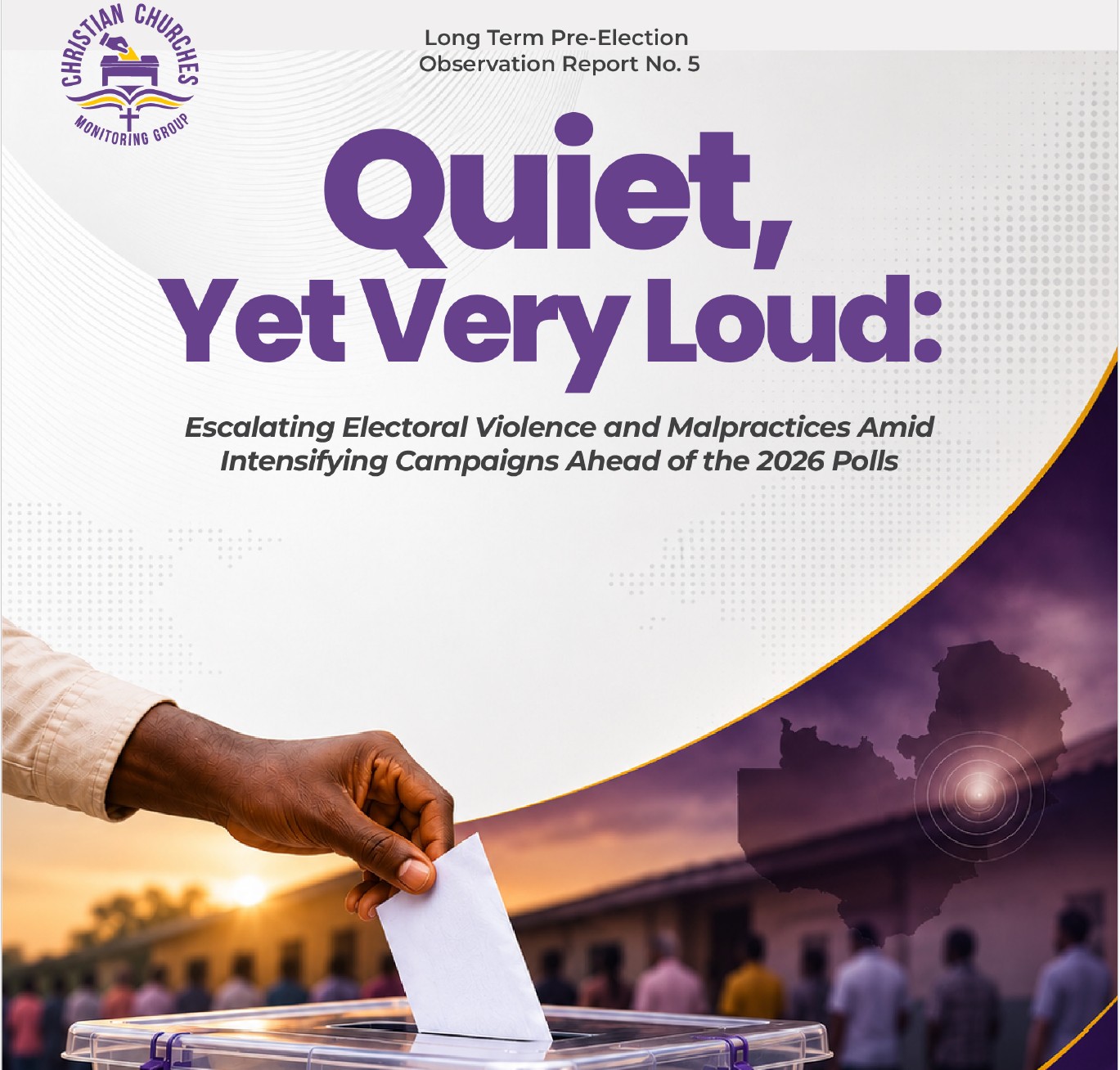
CCMG Long Term Pre-Election Observation Report No. 4

  • Post author:
  • Post category:
  • Post comments:0 Comments

As the campaign period came underway, CCMG continued its long-term election observation from 26 May through 8 June ahead of the 13 August general elections. During the reporting period, CCMG observed a primarily calm and peaceful electoral environment, with isolated incidents of violence, insulting or defamatory language, voter inducement, and other violations of the Electoral Code of Conduct. As a result of isolated incidents of violence, on 8 June, the Electoral Commission of Zambia (ECZ), through a statement posted on Facebook, suspended campaigning in Mazabuka Central Constituency and condemned violence in Kabwe Central and Chawama Constituencies.

Continue ReadingCCMG Long Term Pre-Election Observation Report No. 4

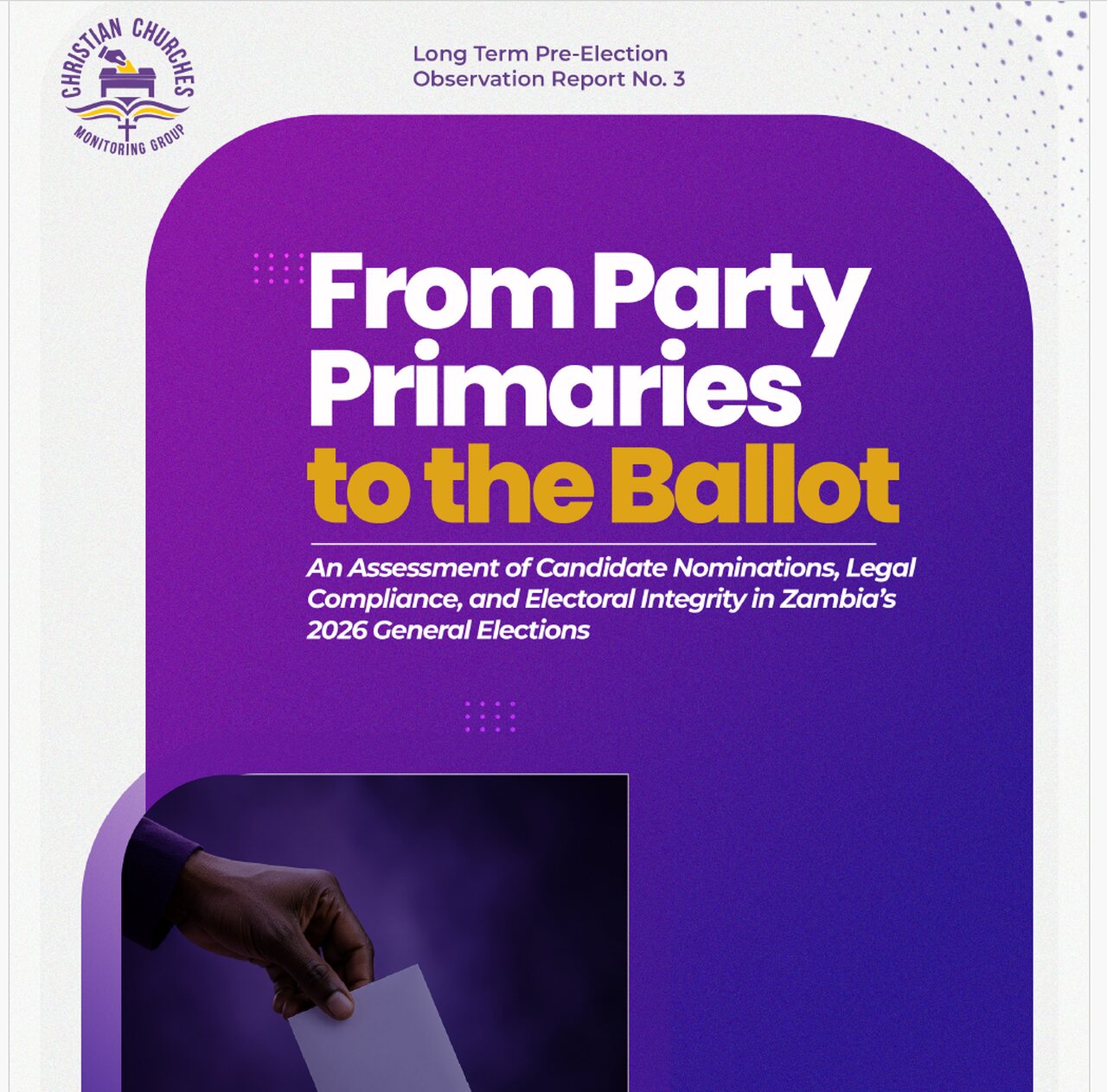
CCMG Long Term Pre-Election Observation Report No. 3

  • Post author:
  • Post category:
  • Post comments:0 Comments

The candidate nomination process marks a significant stage in the electoral process and the democratic participation of citizens, as guaranteed by the Constitution. The Constitution provides the legal foundation for democratic participation, specifically, Article 45 guarantees every citizen the right to participate in politics, while Articles 70 and 100 outline qualifications for candidates seeking election as Members of Parliament and President, respectively. These constitutional requirements are operationalised by the Electoral Process Act, which establishes the legal framework for candidate nominations. Specifically, Sections 28, 30, 31, 33, and 34 provide for the nomination of candidates for elective office, including the submission and scrutiny of nomination papers, payment of prescribed nomination fees, verification of candidate qualifications, objections to nominations, and the declaration of duly nominated candidates. Collectively, these constitutional and statutory provisions seek to guarantee transparency, fairness, inclusiveness, and equal opportunity in the electoral process.

Continue ReadingCCMG Long Term Pre-Election Observation Report No. 3

Registered Voter Analysis of New Constituencies: A Call for Greater Equality and Transparency in Boundary Delimitation

  • Post author:
  • Post category:
  • Post comments:0 Comments

As a result of the amendments to the Constitution in December 2025, the Electoral Commission of Zambia (ECZ) undertook a constituency delimitation process in March 2026 to create seventy (70) new constituencies. The ECZ is mandated to conduct boundary delimitation through Articles 58, 59 and 68 of the Constitution, which requires that the ECZ “seek to achieve an approximate equality of constituency and ward population, subject to the need to ensure adequate representation for urban and sparsely populated areas” and “ensure that the number of inhabitants in each constituency or ward is reasonable, taking into account the means of communication and geographical features,” as well as overall population density and the history, diversity and cohesiveness of each constituency

Continue ReadingRegistered Voter Analysis of New Constituencies: A Call for Greater Equality and Transparency in Boundary Delimitation

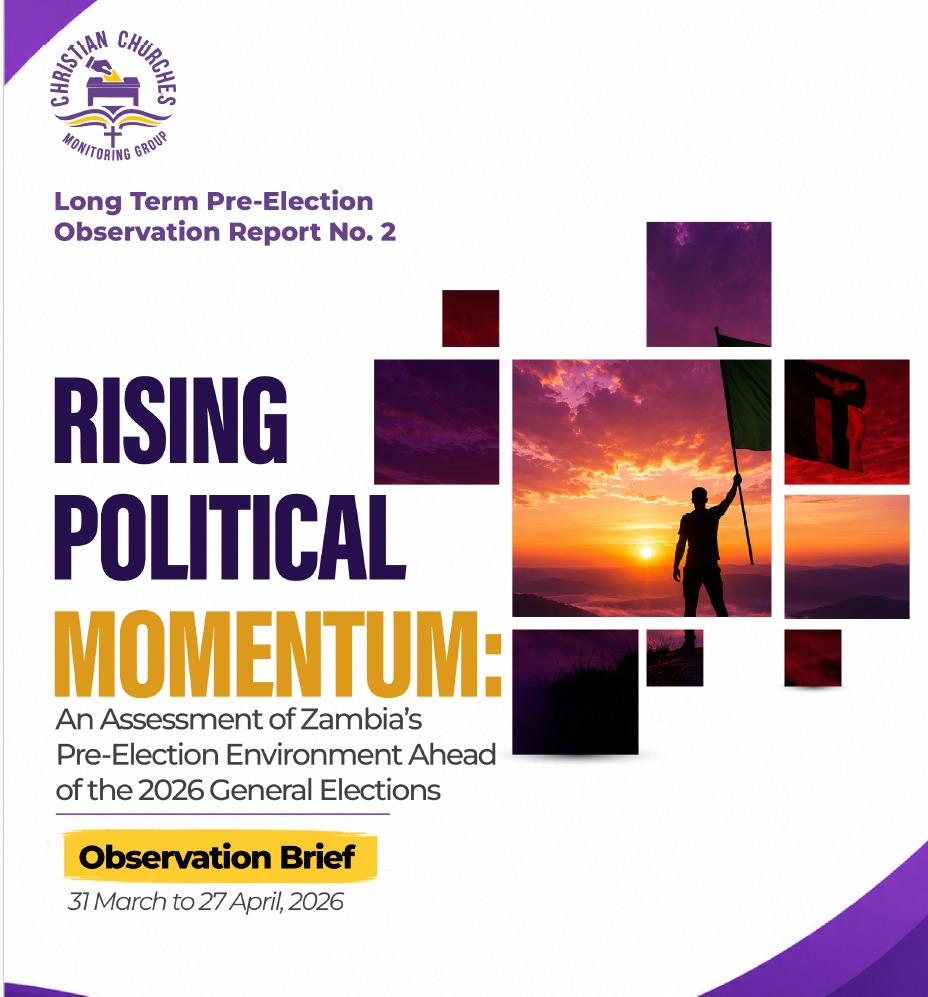
CCMG Long Term Pre-Election Observation Report No 2

  • Post author:
  • Post category:
  • Post comments:0 Comments

CCMG continues to implement its long-term election observation project ahead of the 13 August 2026 General Elections. This second reporting period, covering 31 March to 27 April 2026, builds on the baseline established during the first observation period and assesses how the pre-election environment is evolving as political activity intensifies ahead of nominations and the official campaign period.

Continue ReadingCCMG Long Term Pre-Election Observation Report No 2

2026 Boundary Delimitation Report

  • Post author:
  • Post category:

Electoral boundary delimitation or the creation and realignment of electoral boundaries, establishes the electoral units used for representation. At its core, boundary delimitation creates the linkage between citizens and their elected representatives, establishing which representative voices the concerns and aspirations of citizens in representative bodies.

Continue Reading2026 Boundary Delimitation Report

Long Term Pre-Election Observation Report No1

  • Post author:
  • Post category:
  • Post comments:0 Comments

Long-Term Observation (LTO) of the pre-election period is essential for evaluating the integrity of the electoral process. Elections are complex events that unfold within a wider legal, political, and social framework. LTO is the systematic and continuous monitoring of the electoral environment before election day, focusing on legal frameworks, electoral administration, political conduct, voter participation, and security conditions to assess the overall integrity, inclusiveness, and credibility of the electoral process.

Continue ReadingLong Term Pre-Election Observation Report No1

CCMG 2025 Mobile Voter Registration Observation Report–Phase 1-6 Report

  • Post author:
  • Post category:

The Christian Churches Monitoring Group extends its appreciation to all individuals and organisations whose contributions made the observation and documentation of the 2025 Voter Registration exercise possible. CCMG is deeply grateful to all its 336 voter registration observers who were deployed across the country. Their commitment, professionalism, and resilience under challenging conditions were central to the collection of accurate, timely, and credible data that informed this report.

Continue ReadingCCMG 2025 Mobile Voter Registration Observation Report–Phase 1-6 Report

Observation of Voter Registration Phases 4 to 6_Report

  • Post author:
  • Post category:
  • Post comments:0 Comments

Zambia’s voter registration is guided by Article 229 (2) (c) of the Zambian Constitution, Section 7 of the Electoral Process Act (EPA) and the Electoral Process (Registration of Voters) Regulations. The Electoral Commission of Zambia rolled out the 2025 mobile mass voter registration in October 2025 to allow new voters to register and existing voters to update their details, with the aim to have a complete and current register. CCMG deployed monitors to a representative random sample of registration centres across all six phases to ensure that Zambia’s voter registration process upholds constitutional guarantees, adheres to the Electoral Process Act and Electoral Procress (Registration of Voters Regulations), aligns with international electoral standards, and promotes broad public confidence in the electoral process (see VII Methodology).

Continue ReadingObservation of Voter Registration Phases 4 to 6_Report

Observation of Voter Registration Phases 1 – 3_Report

  • Post author:
  • Post category:
  • Post comments:0 Comments

Voter registration is one of the most complex and most expensive activities within the framework of elections. The quality of this process and the product, that is, the register of voters, determines the outcome of an election and consequently the stability of democratic institutions in a country. The core purpose of voter registration is to guarantee that the voting age population (VAP) can register as voters, while prohibiting those ineligible from doing so. The International IDEA’s International Electoral Standards (2002) require that voter registers be maintained in a manner that is transparent and accurate, protects the rights of qualified citizens to register, and prevents the unlawful or fraudulent registration or removal of persons.

Continue ReadingObservation of Voter Registration Phases 1 – 3_Report